Updated October 2026


Stellest Myopia Control · Brooklyn, NY
Stellest Myopia Control Lenses
Clinically proven to slow myopia progression in children. Essilor Stellest lenses — available at Vision Palace Optical for patients 6 and up.
Stellest Myopia Control · Brooklyn, NY
Slowing myopia before it gets worse.
Myopia (nearsightedness) in children typically worsens year after year as the eye continues to grow. Standard glasses correct the blurry vision — but they do nothing to slow that progression. By the time a child is a teenager, a mild prescription can become severe, increasing the long-term risk of conditions like retinal detachment, glaucoma, and macular degeneration.
Myopia control is the goal of slowing that progression. Stellest lenses from Essilor are a clinically validated option that looks and wears like normal glasses — while actively working to slow the rate of eye growth in children.
H.A.L.T. technology — how Stellest works
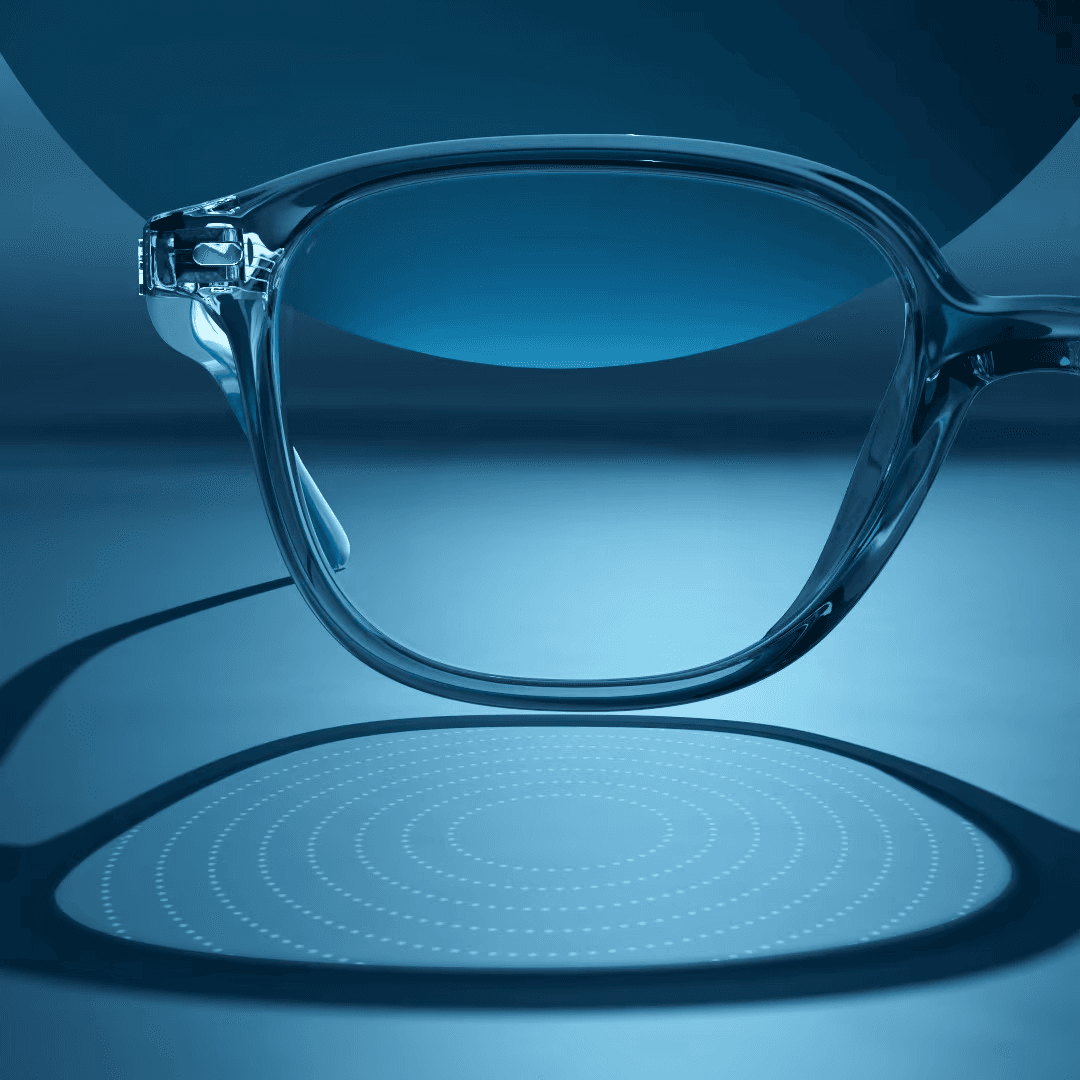
Stellest uses a proprietary design called H.A.L.T. — Highly Aspherical Lenslets Target. The lens combines:
Central prescription zone
A standard corrective zone in the center of the lens that provides clear vision — exactly like a conventional single-vision lens.
Ring of aspherical lenslets
Surrounding the central zone, 11 rings of 1,021 tiny lenslets create a light signal that focuses slightly ahead of the retina rather than on it. This signal tells the eye to slow its growth.
Continuous wear = continuous signal
The myopia-slowing effect is cumulative. The more consistently the child wears their Stellest lenses, the stronger the effect — making it important to wear them full-time during waking hours.
Clinical evidence
Slower myopia progression on average vs. standard single-vision lenses
of children had progression equal to or slower than the control group
Duration of Essilor's published clinical study validating these results
In clinical trials, Stellest lenses slowed myopia progression by up to 67% compared to standard lenses — Essilor clinical data. Results based on children wearing Stellest lenses full-time vs. standard single-vision control group over 2 years.
Frequently asked questions
What is myopia control?
Myopia control refers to treatments and lens designs that slow the rate at which a child's nearsightedness worsens over time. Standard glasses correct vision but do not slow myopia progression. Myopia control lenses like Stellest actively work to slow eye growth — reducing the final prescription and the associated risks of high myopia later in life.
How does Stellest slow myopia progression?
Stellest uses H.A.L.T. technology — Highly Aspherical Lenslets Target. The lens contains a central prescription zone surrounded by a constellation of tiny aspherical lenslets that create a light signal perceived ahead of the retina. This signal is understood to slow axial elongation — the mechanism that drives myopia progression in children.
What did the clinical studies show?
In Essilor's clinical study, children wearing Stellest lenses full-time showed 67% slower myopia progression on average compared to children wearing standard single-vision lenses over two years. 90% of children wearing Stellest had myopia that progressed at the same rate or slower than the control group.
What age can children start wearing Stellest lenses?
Stellest is designed for children ages 6 and up. Early intervention tends to have the greatest impact on long-term outcomes. If your child's prescription has been increasing each year, it is worth discussing myopia control options at their next exam. Call us at (718) 998-8400 to inquire.
What other myopia control options do you offer?
Besides Stellest spectacle lenses, we offer MiSight 1 day contact lenses (daily disposable soft lenses FDA-approved to slow the progression of myopia in children who start treatment at ages 8 to 12) and atropine eye drops. Results vary from child to child. We do not offer orthokeratology (overnight corneal reshaping lenses). Your optometrist will talk through which option suits your child at the exam.
Does insurance cover myopia control lenses?
Your child's eye exam, and a frame or lens benefit, may be covered depending on your plan. Myopia control lenses and treatments often carry an out-of-pocket portion, and Medicaid plans generally do not cover lens upgrades. Coverage varies by plan. Call us or book through Zocdoc to verify your benefits before your visit.
Ask about Stellest for your child
Stellest lenses are available at Vision Palace Optical for children ages 6 and up. Call us to discuss whether myopia control is right for your child.