Night Driving Vision Problems: When to See an Eye Doctor in Brooklyn
Trouble seeing clearly at night behind the wheel is more common than you might think, and it's often a sign that your eyes need attention. If you're squinting at road signs, struggling with oncoming headlights, or feeling less confident driving after sunset, your vision may be changing. The good news is that many night driving problems are treatable, and a thorough eye exam can pinpoint exactly what's happening with your eyes.
At Vision Palace Optical on Avenue U in Sheepshead Bay, Dr. Sheyko and Dr. Shlivko see Brooklyn residents every week who've noticed their night driving has gotten harder. Whether you're commuting home from work or heading out to dinner in Bay Ridge or Midwood, safe vision matters. Let's walk through what causes night vision problems and why you shouldn't ignore them.
What Happens to Your Eyes at Night
Your eyes work differently in low light than they do in daylight. The pupils dilate (open wider) to let more light in, and your retina shifts to rely more on rod cells, which are sensitive to light but don't see color as clearly as cone cells do. This natural shift is why your night vision isn't as sharp as your day vision, even in healthy eyes.
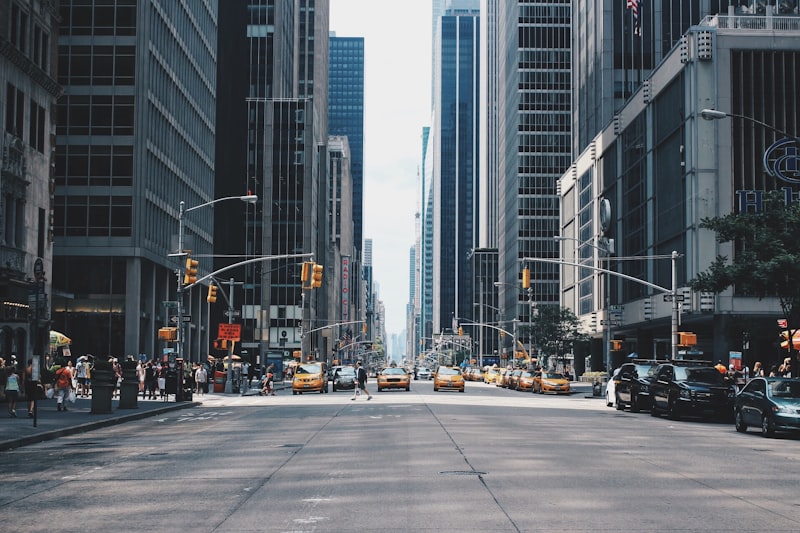
The problem starts when something disrupts this process. Your eyes may not be dilating properly, your lens may be becoming cloudy, or you might have astigmatism (an irregular cornea shape) that causes glare and halos around lights at night. According to the American Academy of Ophthalmology, age-related changes, cataracts, and certain refractive errors can all make night driving noticeably harder.
Common Causes of Night Driving Problems
Astigmatism is one of the biggest culprits. If your cornea or lens has an irregular shape, light scatters instead of focusing sharply on your retina. At night, this means oncoming headlights create streaks and halos, and road signs blur more easily. Astigmatism can develop or worsen over time, and a Brooklyn eye exam is the only way to know if it's affecting your driving.
Early cataracts make the lens slightly cloudy, which reduces contrast and makes lights appear diffuse and harder to focus on. You might notice this first at night because low light demands more from your lens. Cataracts are age-related but can develop faster if you spend a lot of time outdoors or have diabetes.
Presbyopia (age-related difficulty focusing up close) also affects night driving. As you hit your 40s and beyond, your lens loses flexibility, and shifting focus between the dashboard and distant road signs takes longer. This is especially noticeable in dim light.
Dry eyes are surprisingly common in Brooklyn, whether from air conditioning, heating in winter, or screen time before you drive. Dry eyes scatter light and reduce contrast, making night driving feel hazier. If you're working at a desk all day and then driving home, this could be your issue.
Refractive errors like myopia (nearsightedness) or hyperopia (farsightedness) that aren't fully corrected will worsen at night when pupils dilate. Your current prescription may have worked fine during the day, but night driving reveals a need for an update.
Why "Night Driving Glasses" Often Don't Help
You may have seen ads for special "night driving glasses" that promise to reduce glare and improve vision after dark. The American Academy of Ophthalmology cautions that these glasses may actually hurt, not help. Yellow or amber lenses block some light wavelengths, which can reduce contrast further and make it even harder to see in dim conditions. The real solution is getting the right prescription and addressing the underlying eye condition causing the problem.
What Your Eye Doctor Will Check
When you come in for a night driving problem, your optometrist will do more than just read your current prescription. You'll get a full eye exam that checks:
- Your current glasses or contacts prescription
- Astigmatism and its severity
- Pupil dilation and response
- Early signs of cataracts or other lens changes
- Retinal health and blood vessel condition
- Eye pressure and glaucoma screening
If you have diabetes or a family history of eye disease, your exam is even more important. Diabetic changes to the retina and blood vessels can worsen night vision, sometimes before you notice other symptoms.
Getting the Right Correction
Once your exam reveals what's causing your night driving problems, the solution is often straightforward. A prescription update or a more precise correction for astigmatism can make an enormous difference. Some people benefit from a lens coating or adjustment that reduces glare at night. If you're having trouble with both distance and near vision while driving, your doctor may recommend a specific lens design suited to your needs.
The key is addressing the real cause, not masking the symptom with special glasses that don't actually help. At Vision Palace Optical on Avenue U, we'll spend time understanding how your eyes are affecting your driving and recommend the right fix for your situation.
Frequently Asked Questions
What causes blurred vision when driving at night?
Blurred night vision usually stems from an outdated prescription, astigmatism, early cataracts, or dry eyes. Your pupils dilate in low light, and if your eyes aren't correctly focused or if your lens is becoming cloudy, the blur becomes much more noticeable. A thorough eye exam will identify the exact cause.
Are halos around headlights a sign of a serious eye problem?
Halos and glare around oncoming headlights are most often caused by astigmatism or early cataracts. While they're not an emergency, they're a clear sign that your vision needs checking. Visit your optometrist to rule out cataracts and get your prescription evaluated.
Should I stop driving at night if I'm having vision problems?
If you're noticing significant vision problems while driving at night, it's safer to limit night driving until you've had an eye exam. Many night vision issues are easily corrected, but driving with uncorrected vision puts you and others at risk. Call us at (718) 998-8400 to schedule an appointment soon.
Can an eye exam at an urgent care clinic help with night driving problems?
Urgent care clinics can do a basic vision screening, but a thorough optometry exam at a dedicated practice like ours on Avenue U gives you a much more complete picture. We'll check your prescription, screen for cataracts and retinal disease, evaluate your eye health, and discuss how to fix your specific night driving issue.
Is there a good time of day to get an eye exam for night driving problems?
Your optometrist can check your night vision even during a daytime exam by dilating your pupils and evaluating how your eyes respond in low light. You don't need to come in at night for us to assess your night vision or update your prescription.
Cover Your Eyes, and Your Safety
Night driving problems aren't something to live with. They're a sign that your eyes deserve a check-up, and the solution is often just a phone call away. Whether you're in Sheepshead Bay, Marine Park, or anywhere else in Brooklyn, a good eye exam takes the guesswork out of your vision and gets you back to driving with confidence.
Book your eye exam at Vision Palace Optical, you can book through Zocdoc, call us at (718) 998-8400, or stop by 1723 Avenue U in Brooklyn. We're open Monday through Saturday, and we accept most insurance plans, including Medicaid and Medicare. Let's get your night vision sorted out.
References
Coverage varies by plan. Call us or book through Zocdoc to verify your benefits before your visit.